
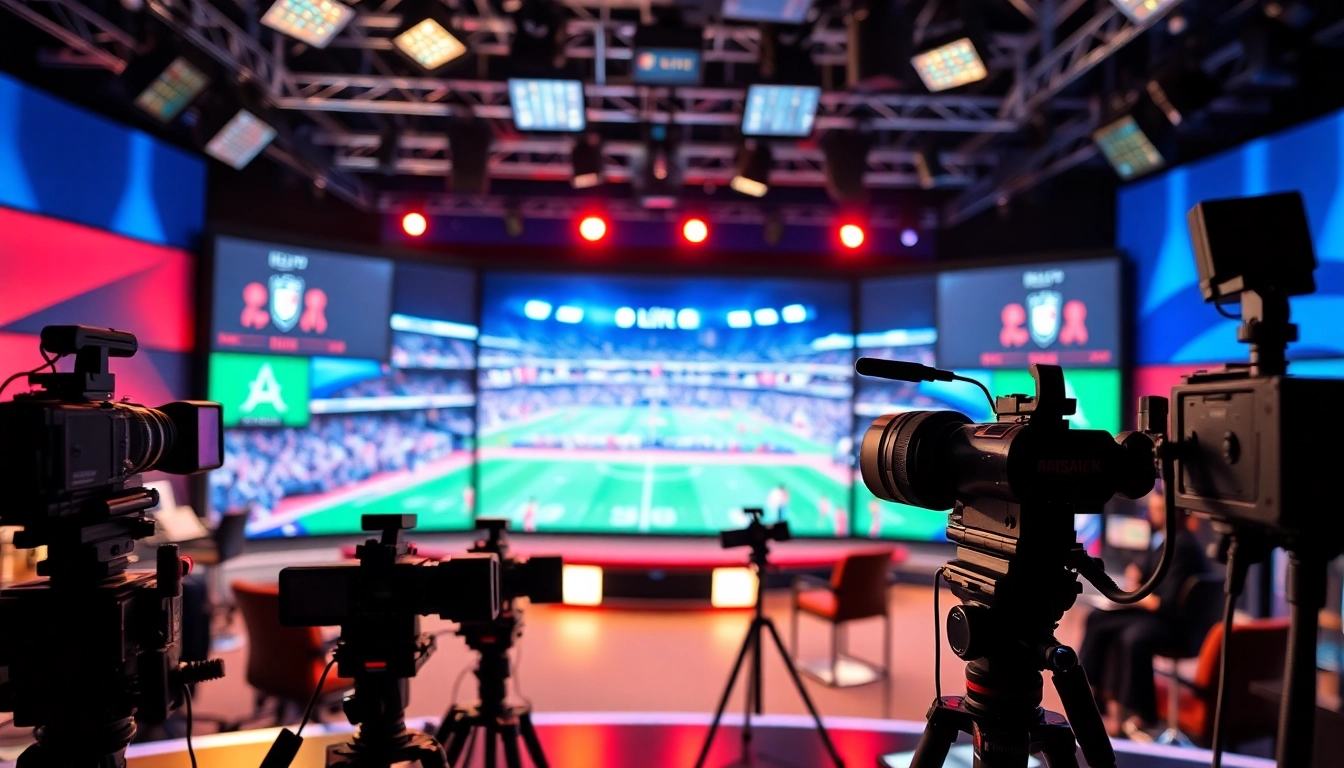
Understanding Sports Broadcasting
In the fast-paced world of Sports Broadcasting, understanding the intricacies involved is essential for creating captivating content that engages viewers. This article delves into the evolution, key components, and technological advancements that shape the landscape of sports broadcasting today.
The Evolution of Sports Broadcasting
Sports broadcasting has come a long way since its inception. The journey began in the 1920s with radio broadcasts, bringing live updates to a radio-hungry public. By the 1950s, television entered the scene, revolutionizing how sports were consumed. Major events like the Super Bowl and the World Series gained unprecedented viewership, setting a benchmark for future broadcasts.
With the advent of cable television in the 1980s, niche sports started to find their audience, leading to the creation of specialized networks. The digital revolution of the late 1990s and 2000s introduced streaming services, creating a paradigm shift. Today, viewers can watch their favorite games on a myriad of devices, from smartphones to smart TVs, making sports more accessible than ever.
Key Components of Sports Broadcasting
Modern sports broadcasting consists of various components working in harmony to entertain and engage audiences. These include:
- Live Event Coverage: Real-time broadcasting of sports events is at the heart of sports media.
- Pre and Post-Game Analysis: Detailed discussions featuring expert opinions help viewers understand the complexities of the game.
- Interviews and Features: Conversations with athletes and behind-the-scenes footage create a connection between fans and players.
- Commentary: Talented commentators enhance the viewing experience by providing insights and excitement during live broadcasts.
The Role of Technology in Sports Broadcasting
Technology is a driving force in the evolution of sports broadcasting. Innovations such as high-definition cameras, drones, and augmented reality have transformed the viewer experience. For instance, slow-motion replays and multi-angle views provide audiences with a comprehensive understanding of key plays and moments. Additionally, the rise of artificial intelligence in broadcasting can customize content based on viewer preferences, further tailoring the experience.
Furthermore, social media platforms have become vital in delivering real-time updates and driving audience interaction. Technology streamlines broadcasting operations, ensuring smooth transitions and reliable communication among teams.
Best Practices for Sports Broadcasting
To effectively reach and engage audiences, adopting best practices in sports broadcasting is essential. These principles not only improve viewer experience but also enhance the overall impact of broadcasts.
Creating Compelling Content
Content is king in sports broadcasting, and creating compelling narratives captures the audience’s attention. Storytelling should focus on the emotional aspects of sports, showcasing athletes' journeys, rivalries, and triumphs. Incorporating captivating graphics, compelling soundtracks, and commentary can elevate the viewing experience. Further, integrating behind-the-scenes footage and athlete interviews provides depth to standard coverage.
Engaging with Your Audience
Active engagement is key to building a loyal viewer base. Interactive elements, such as polls, trivia, and live comment sections, foster a sense of community among fans. Addressing audience feedback and incorporating viewer opinions into programming helps broadcasters stay relevant and connected. Hosting Q&A sessions with athletes or commentators can further enhance audience interaction.
Utilizing Social Media Effectively
Social media platforms are indispensable for reaching wider audiences. Broadcasters should leverage these tools to share highlights, exclusive content, and engage fans with real-time updates. Creating tailored content that resonates with specific social media audiences enhances engagement. Moreover, collaborations with influencers can broaden reach, tapping into new demographics of enthusiastic sports fans.
Challenges in Sports Broadcasting
While the field of sports broadcasting offers myriad opportunities, it comes with its set of challenges that need addressing for continued success.
Overcoming Technical Difficulties
Technical glitches can severely disrupt live broadcasts, affecting viewer satisfaction. To mitigate these risks, broadcasters should invest in high-quality equipment and prioritize regular maintenance checks. Having backup plans in place, such as alternate feeds and contingency crews, ensures continuity even in the event of a technical failure.
Managing Live Event Coverage
Live sports events present unique challenges due to their unpredictable nature. Poor weather, unexpected delays, and on-field incidents can create complications for broadcasters. Preparing for various contingencies through dynamic planning is crucial. Employing a flexible crew that can adapt to changes on the fly helps maintain quality coverage regardless of circumstances.
Navigating Legal and Ethical Considerations
Sports broadcasting is also fraught with legal and ethical challenges, including copyright issues and the need for fair representation. Broadcasters must ensure compliance with legal regulations, obtaining rights for footage and respecting player privacy. Educating staff on ethical standards reinforces integrity in reporting, which is critical in maintaining audience trust.
Measuring Success in Sports Broadcasting
To evaluate the effectiveness of sports broadcasting efforts, it is essential to measure success through various performance metrics.
Key Performance Indicators to Track
Tracking key performance indicators (KPIs) offers insight into audience engagement and content effectiveness. Common KPIs in sports broadcasting include:
- Viewership Numbers: Evaluating the size of the audience for each broadcast.
- Audience Retention Rate: Measuring how long viewers stay engaged during the broadcast.
- Social Media Engagement: Assessing likes, shares, and comments on social media platforms.
Analyzing Audience Engagement
Understanding audience behavior is vital for improving broadcasts. Analyzing feedback and engagement metrics can illuminate what content resonates more with viewers. Leveraging analytics tools to evaluate audience sentiment can help refine programming strategies, ensuring broadcasts align more closely with viewer preferences.
Adapting Strategies Based on Feedback
Incorporating audience feedback into strategic planning is crucial for growth. Regularly soliciting viewer opinions, conducting surveys, and analyzing comments can yield valuable insights. Broadcasts can adapt topics, formats, and even talent based on evolving viewer preferences, creating a more tailored experience.
Future Trends in Sports Broadcasting
The future of sports broadcasting is bright and filled with innovations that promise to enhance viewer experience further. Staying ahead of trends will ensure broadcasters remain competitive and relevant in a rapidly changing industry.
Emerging Technologies Impacting Broadcasting
Emerging technologies such as virtual reality (VR), augmented reality (AR), and artificial intelligence (AI) are set to redefine the sports broadcasting landscape. VR can offer immersive experiences, allowing fans to feel as though they are part of the action, while AR enhances live experiences with interactive graphics. AI tools can curate personalized content for viewers, significantly improving engagement.
Shifts in Viewer Preferences
Viewer preferences are shifting towards more personalized and on-demand content. As audiences seek to control their viewing experiences, broadcasters must adapt by offering flexible scheduling and subscription models. Integrating analytics to tailor content suggestions based on viewer habits will be crucial in catering to these shifts.
The Future of Interactive Broadcasting
Interactive broadcasting is becoming a game-changer in sports media. Features like live polls, viewer commentary, and enhanced viewing controls (e.g., camera angle selection) are becoming standard expectations. By fostering a more interactive environment, broadcasters not only enrich the viewing experience but also strengthen audience loyalty.
Frequently Asked Questions
What is sports broadcasting?
Sports broadcasting refers to the live or recorded transmission of sporting events through various media, such as television, radio, or online platforms.
How has technology changed sports broadcasting?
Technology has transformed sports broadcasting with high-definition visuals, real-time data analytics, and interactive features, enhancing viewer experiences significantly.
What are key challenges in sports broadcasting?
Challenges include technical issues, managing live coverage, and navigating legal complexities related to rights and player privacy.
How can I measure success in sports broadcasting?
Success can be measured by tracking viewership statistics, audience retention, and engagement metrics on social media platforms.
What is the future of sports broadcasting?
The future involves increased interactivity, personalized viewer experiences, and the integration of emerging technologies like VR and AR that enhance engagement.